DATA MODELING ZONE 2012
November 12th-15th 2012 in Baltimore, Maryland
Sharpen your data modeling skills and Connect with the community!


Download the complete program


A Sampling of Tuesday's Sessions at DMZ

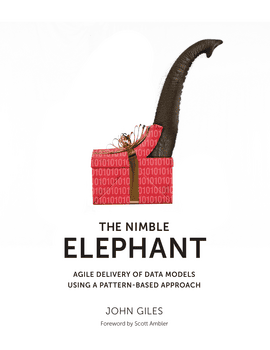
The Nimble Elephant: Agile delivery of data models using a pattern-based approach
John Giles
Country Endeavours
Learn how to get ahead of the pack by acquiring the techniques to develop quality data models in extraordinary timeframes, be they for agile projects or enterprise-wide initiatives. Is this even possible? Have fun discovering the answer is "Yes", and that you can do it!
Dimensional Data Modeling Case Study – Five steps from analysis through design!

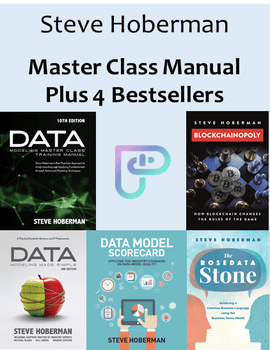
Steve Hoberman
Steve Hoberman & Associates, LLC
Experience the five steps in building a dimensional data model: elicit the business questions, construct the grain matrix, and build the conceptual, logical, and physical data models.
Natural vs. Surrogate Primary Keys in Logical Data Models
Gary Whitney
Microsoft
Know why identifying the primary key of an entity by finding it's natural key(s) makes for a much better logical data model than using a surrogate key.
How to “Spread the Word” About Data Modeling
Cathy Manke
Wisconsin Department of Employee Trust Funds
Learn about the struggles and successes of a state government agency in building up a data modeling practice, and come away with ideas on how to align data modeling with available resources.
About DMZ
Data models bridge the gap from requirements to applications, making data modeling a required skill from business analysis through design and development.

Data Modeling Zone 2012 contains four tracks and a combination of half-day and 75 minute sessions from fundamental to advanced levels, designed to help you:
  • Develop an understanding of data modeling concepts,  techniques, and approaches
  • Learn how data modeling connects to key business initiatives such as compliance, agility,  and strategy
  • Fine tune your relational and dimensional modeling and data vault skills
  • Learn a new data modeling tool
  • Master a new modeling notation, such as UML, ORM, and FCO-IM
  • Apply techniques such as surrogate keys, subtyping, encoding schemes, abstraction, and visualization
  • Leverage enterprise data models, canonical models, and industry data models

Tweet on Data Modeling Zone (#DMZone)


Make your presence known,
at Data Modeling Zone!


The Best in Data Management and Business Intelligence Books!
Visit Technics Publications